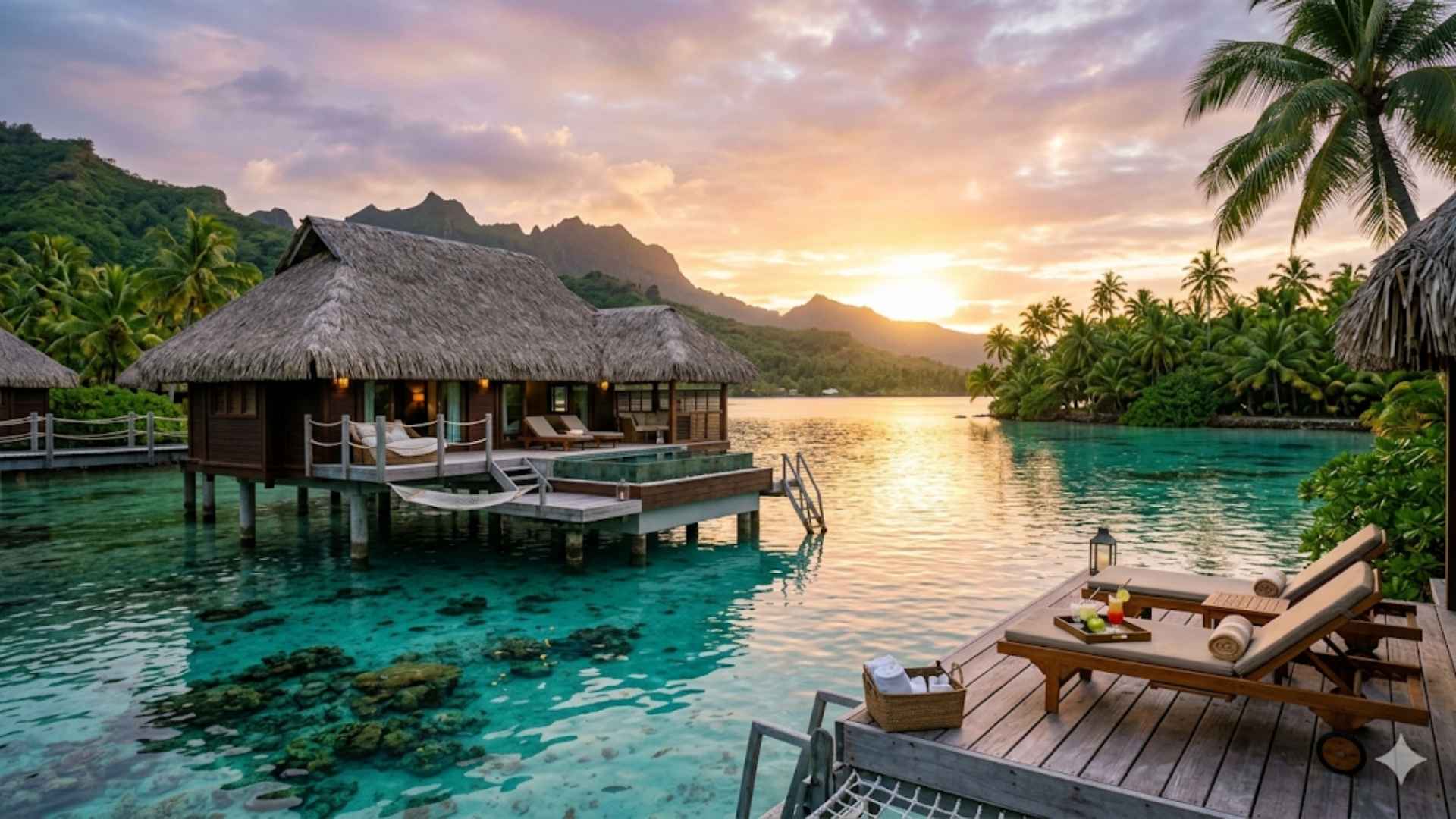
Best Time to Visit Tahiti & French Polynesia for Luxury Vacations 2026
Tahiti and French Polynesia sit high on the list of dream luxury destinations, but timing your trip correctly can make a massive difference in how the experience actually feels. The same islands can feel either perfectly serene and cinematic or slightly humid, crowded, and less refined depending on when you go.
For American travelers planning a 2026 luxury vacation, understanding seasonality is not just about weather. It affects pricing, availability of overwater villas, overall atmosphere, and how calm or crowded the islands feel.
This is similar to how timing shapes premium travel in other destinations like India, seasonal routes in Norway fjords, or wildlife-focused journeys like Galapagos vs Amazon travel. The right timing changes everything.
Quick Answer: Best Time to Visit Tahiti
- Best overall: May to October (dry season, best weather)
- Best luxury feel: May, June, September, October
- Best value: November and April (shoulder season)
- Worst for humidity: December to March (wet season)
- Peak crowds: July and August
Understanding Tahiti’s Two Main Seasons
Tahiti and French Polynesia follow a simple tropical pattern: a dry season and a wet season. Unlike Europe or more temperate regions, the temperature does not change dramatically, but humidity, rainfall, and overall comfort vary significantly.
This is why timing matters even more in tropical luxury destinations. The difference between a clear, breezy lagoon and a humid, cloudy week can shape the entire perception of the trip.
“In French Polynesia, the experience is less about temperature and more about atmosphere — light, air, and how the islands feel day to day.”
Dry Season (May to October): The Best Time for Luxury Travel
The dry season is widely considered the best time to visit Tahiti. This period brings lower humidity, clearer skies, calmer conditions, and more predictable weather overall. For luxury travelers, this is when the islands feel at their absolute best.
The lagoons look more vibrant, outdoor experiences feel more comfortable, and overwater villas become far more enjoyable. This is also when Bora Bora, Moorea, and other islands feel most aligned with the “dream destination” expectation.
Travelers comparing tropical luxury destinations often find this season comparable to peak experiences in Seychelles, Mauritius, and premium Indian Ocean travel.
Why Dry Season Works Best
- Lower humidity and more comfortable climate
- Clearer water and better lagoon visibility
- Better conditions for outdoor and water activities
- More consistent sunshine and photography conditions
Peak Season (July–August): Best Weather, But More Crowds
July and August fall within the dry season but are also peak travel months due to summer holidays in the U.S. and Europe. While the weather is excellent, these months come with higher prices, lower availability, and a more active, less secluded atmosphere.
For travelers seeking privacy, honeymoon-level exclusivity, or a slower, more refined experience, these months are often not ideal. The destination still feels premium, but less intimate.
This is similar to peak season dynamics seen in Spain, European seasonal travel, and other high-demand destinations.
Pro Tip
If you want the same great weather with fewer crowds, aim for May, June, September, or October instead of July–August.
Shoulder Season (April & November): Best Value for Luxury Travelers
Shoulder months can be surprisingly good for travelers who want a balance between pricing and experience. April and November often offer decent weather with lower demand, making it easier to secure premium villas and better rates.
However, conditions can be slightly less predictable compared to the dry season. You may encounter short tropical showers, but these are usually brief and do not disrupt the overall experience too much.
This strategy is similar to finding value windows in India travel planningor shoulder-season luxury travel across global destinations.
When Shoulder Season Works
- Better hotel availability
- Lower pricing compared to peak season
- Fewer tourists and quieter atmosphere
- Slight weather variability but still enjoyable
Wet Season (December to March): Should You Avoid It?
The wet season brings higher humidity, warmer temperatures, and more frequent rainfall. While it does not rain all day, conditions can feel heavier and less comfortable, especially for travelers expecting picture-perfect tropical clarity.
Luxury travelers usually avoid this period unless pricing or timing makes it necessary. The experience can still be good, but it is less consistent and less aligned with the premium expectations of Tahiti.
Similar trade-offs exist in many destinations where weather impacts experience quality, such as wildlife seasons, monsoon regions, or tropical beach destinations worldwide.
“Wet season travel is not a mistake — but it is rarely the best version of Tahiti.”
Best Months for Different Travel Goals
- Best for honeymoon: May, June, September, October
- Best for weather: June to September
- Best for value: April, November
- Best for quiet luxury: May and October
- Best to avoid: January and February (highest humidity)
How Far in Advance Should You Book for 2026?
Tahiti is not a last-minute destination, especially for luxury travelers. The best resorts, overwater villas, and premium room categories often sell out months in advance, particularly during peak and high-demand travel periods.
For 2026, booking 6–10 months ahead is generally recommended if you want the best combination of availability, pricing, and preferred villa categories.
This is very similar to planning structured premium trips such as Peru itinerariesor complex journeys where timing and inventory matter.
Final Thoughts
The best time to visit Tahiti and French Polynesia for a luxury vacation in 2026 is during the dry season, particularly in May, June, September, and October. These months offer the best balance of weather, privacy, and overall experience quality.
While peak months bring great conditions, they also come with crowds and higher pricing. Shoulder months offer strong value, while the wet season is best avoided unless flexibility is high.
In the end, Tahiti is a destination where timing directly shapes how luxurious the experience feels. Choose wisely, and the islands deliver exactly what travelers imagine — calm, beauty, and a sense of complete escape.
Related Travel Guides
- Four Seasons Bora Bora: What Americans Should Know Before Booking 2026
- Luxury Seychelles Trip Cost from USA 2026
- 10 Reasons Mauritius is the Ultimate Luxury Indian Ocean Escape 2026
- Top 10 Countries to Visit in 2026
Plan Your Tahiti Luxury Escape
Let Xpert Trips design your French Polynesia journey with the best timing, premium resorts, overwater villas, and seamless travel planning tailored to your style.
Start Planning Your JourneyCurated by Xpert Trips — Luxury Travel Specialists