10 Mistakes Travellers Make Traveling to Vietnam First Time 2026 (And How to Fix Them)
Vietnam is one of those destinations that can completely win people over on a first trip. The food is exciting, the landscapes are dramatic, the cities are full of energy, and the range of experiences is far broader than many first-time travellers expect. But Vietnam is also a country where a rushed or poorly planned trip can feel tiring much faster than expected.
Many first-time visitors assume Vietnam is easy to do quickly. They add too many stops, underestimate travel time, choose the wrong regions for their style, or treat the country like a simple checklist. That usually leads to a trip that feels more hectic than memorable. The best Vietnam journeys are not just about covering Hanoi, Halong Bay, Hoi An, and Ho Chi Minh City. They are about understanding rhythm, comfort, pacing, and how each part of the country actually feels when connected into one route.
This is similar to the planning mistakes travellers make in other first-time destinations such as Thailand, Bali, Cambodia, and Laos. Vietnam rewards the traveller who plans with intention, not just enthusiasm.
Why First-Time Vietnam Trips Sometimes Go Wrong
- Travellers try to cover too much in too little time
- They underestimate internal travel and transfer fatigue
- They choose destinations based on popularity instead of fit
- They do not balance cities, culture, and slower scenic time
- They plan Vietnam as a checklist instead of an experience
Mistake 1: Trying to See the Entire Country in One Short Trip
This is probably the biggest mistake first-time travellers make in Vietnam. The country is long, varied, and far more layered than it looks on a map. Many people attempt to fit north, central, and south Vietnam into one short journey without realizing how much transit that creates. On paper, it sounds efficient. In reality, it often turns the trip into a sequence of airports, packing, transfers, and quick hotel stays.
Vietnam feels much better when you give each region enough room to breathe. If you only have limited time, it is smarter to do fewer places well. That same principle improves first-time travel in Japan, Greece, and Jordan, where route quality matters more than destination count.
How to Fix It
Choose one strong route instead of forcing the whole country. North and central Vietnam, or central and south Vietnam, often feels better than trying to do everything at once.
Mistake 2: Underestimating Travel Time Between Stops
Vietnam looks manageable until you start adding actual movement days. Flights, road transfers, airport timing, check-ins, boat schedules, and changing weather can all affect how smooth the trip feels. First-time travellers often assume they can treat internal movement as a small detail. It is not. In Vietnam, logistics shape the emotional quality of the trip.
This matters especially when combining cities with more scenic or slower destinations. A traveller might think Hanoi, Halong Bay, Hoi An, and Ho Chi Minh City all fit neatly together, but if the pacing is too tight, the trip starts feeling transactional rather than immersive. That is the same reason itinerary structure matters so much in pieces like New Zealand itineraries, Norway fjord journeys, and Chile and Argentina routes.
“In Vietnam, movement days are part of the trip. If you ignore them, the whole route starts to feel heavier than it should.”
Mistake 3: Thinking Hanoi and Ho Chi Minh City Feel the Same
A common first-time assumption is that Vietnam’s major cities offer the same type of experience. They do not. Hanoi and Ho Chi Minh City have very different energy, rhythm, and atmosphere. Travellers who fail to understand this sometimes allocate time poorly or choose the wrong base for the kind of trip they want.
Some travellers connect more strongly with Hanoi’s layered, older, more atmospheric feeling. Others prefer the faster, more modern, and more commercially dynamic energy of Ho Chi Minh City. Neither is automatically better. The mistake is assuming they are interchangeable. Vietnam planning becomes much stronger when you match each destination to your travel personality, just as you would when comparing island styles in Maldives vs Bora Bora vs Seychelles, wildlife styles in Botswana vs Namibia, or city-region combinations in Spain.
How to Fix It
Decide whether you want more heritage-driven atmosphere, faster urban energy, or a mix of both. Then shape your nights accordingly.
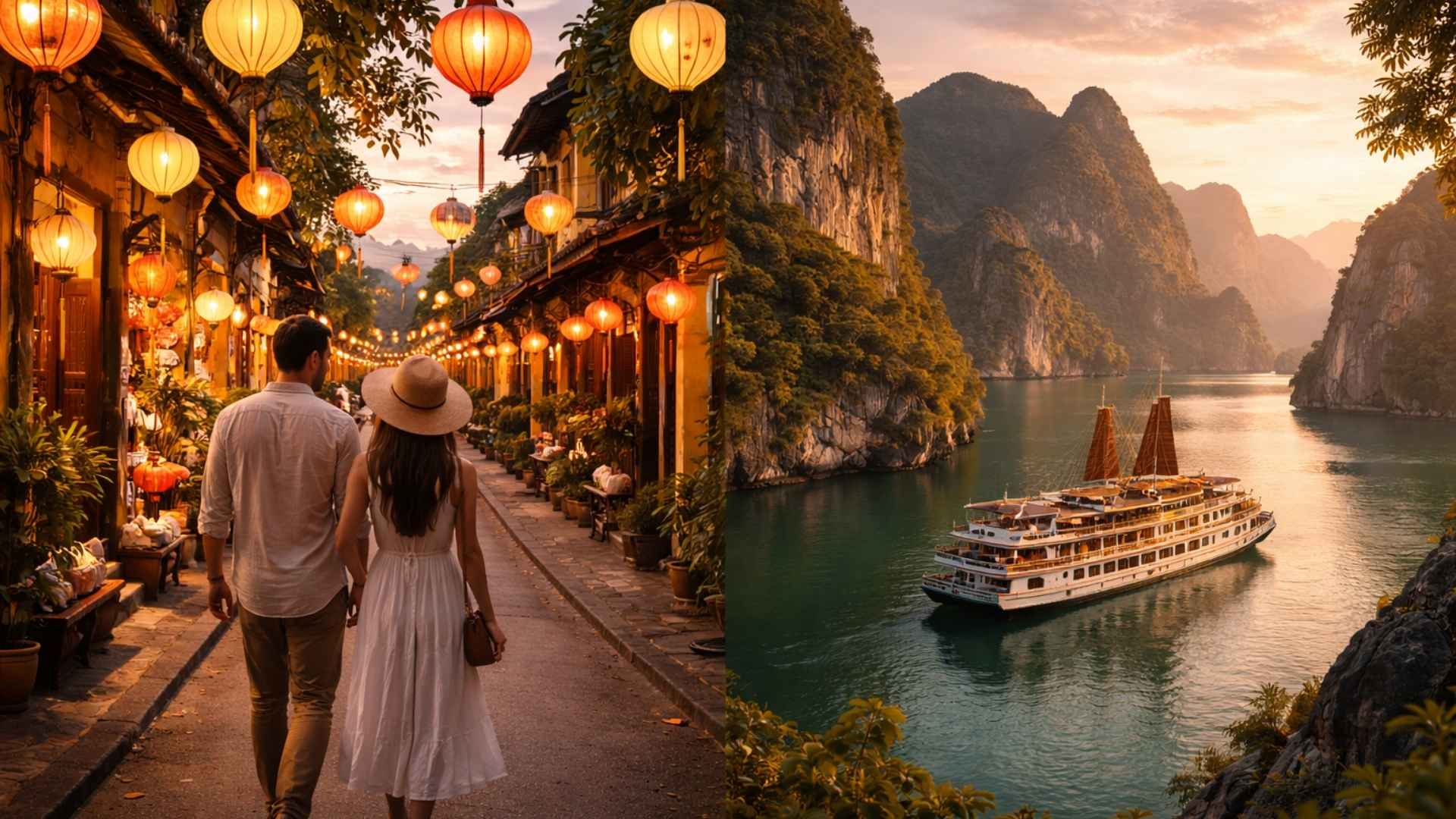
Mistake 4: Treating Halong Bay Like a Quick Photo Stop
Halong Bay is often one of the most anticipated parts of a first Vietnam trip, but many travellers reduce it to a rushed add-on. They squeeze it into the itinerary just to say they went, book the cheapest or shortest option, or fail to understand that the experience depends heavily on timing, boat quality, and overall pacing.
Scenic destinations rarely feel luxurious when handled in a rushed way. The same logic applies in Alaska wilderness travel, Belize nature escapes, Galapagos vs Amazon, and safari-and-beach combinations. Halong Bay should feel like a meaningful scenic chapter, not a rushed box to tick.
Better Approach
- Give the bay real time in the itinerary
- Prioritize the quality of the cruise experience
- Avoid treating it as a purely visual stop
- Choose comfort and pacing over maximum speed
Mistake 5: Skipping Central Vietnam Too Quickly
Many first-time travellers focus so heavily on Hanoi and Ho Chi Minh City that central Vietnam becomes an afterthought. That is a mistake because central Vietnam often provides some of the best balance on a first trip. It can bring culture, coastal calm, better pacing, and a more visually romantic side of the country.
Hoi An in particular often leaves a strong impression on travellers who want atmosphere, walkability, slower evenings, and a sense of place. That is exactly why experience-led pieces such as what a day in Hoi An really feels like matter. They show why some destinations are not just scenic on social media but emotionally effective in real life.
Travellers who like the charm of places such as Marrakech, the sensory richness of India travel days, or the immersive quality of Petra often connect strongly with central Vietnam when it is planned properly.
Mistake 6: Planning Vietnam Around Trendy Content Instead of Travel Style
One of the easiest traps in 2026 is building a Vietnam trip around viral visuals instead of personal fit. A place may look incredible in short-form content and still not suit the kind of trip you actually want. Some travellers want design-led hotels and slower evenings. Others want food, street life, and energy. Others want scenery and retreat-like calm.
The mistake is copying a route that belongs to someone else. Smart travel planning is always more personal than that. The same applies when choosing between destinations in Barbados vs Antigua, selecting the right wellness rhythm in Tuscany, or deciding on scenic route structure in Scotland.
“The best Vietnam itinerary is not the one that looks the most impressive online. It is the one that fits how you actually want to travel.”
Mistake 7: Not Leaving Enough Time for Food and Street-Level Experience
Vietnam is not a destination where you should only move between big attractions. Some of the real magic of a first visit comes from the street-level moments: coffee culture, local dining, market energy, old quarter walks, riverside evenings, and the feeling of being in the place rather than simply observing it.
Travellers who over-structure every day can accidentally strip out the very experiences that make Vietnam memorable. This is similar to what happens when people over-plan cultural destinations like Cambodia, sensory destinations like Luang Prabang, or layered destinations like India. Vietnam needs some openness in the schedule.
How to Fix It
Protect time for wandering, café stops, unhurried meals, and evenings that are not planned down to the minute. Those moments often become the most memorable part of the trip.
Mistake 8: Booking Every Hotel the Same Way
Another first-time mistake is choosing hotels with a one-size-fits all mindset. In Vietnam, the right hotel style depends heavily on where you are. A city base may need location and efficiency. A scenic or coastal stop may need atmosphere and breathing room. A heritage-led stay may matter more for character than pure room size.
Strong hotel planning changes the entire trip. That is why premium travel pieces focused on stay choice, such as luxury hotels in Dubai, Six Senses Seychelles, Four Seasons Bora Bora, and wellness-led stays in Kerala work so well. They remind travellers that accommodation is not a generic decision. It shapes how the destination feels.
Mistake 9: Ignoring the Emotional Difference Between a Fast Trip and a Well-Paced One
The biggest difference between an average first Vietnam trip and a strong one is often not budget. It is pacing. A well-paced trip feels elevated, spacious, and memorable. A rushed one feels like effort. Many travellers keep adding places because they think more stops mean more value, but that is rarely how travel is actually experienced.
This is why slower structure is so powerful in premium itineraries like Bora Bora, the Maldives, South Africa, and Peru. Vietnam also rewards that same discipline.
Better Vietnam Planning Rule
- Fewer stops usually create a stronger first impression
- Longer stays improve comfort and emotional connection
- Transfers should support the experience, not dominate it
- Give the trip room to feel human, not mechanical
Mistake 10: Not Understanding What Kind of Vietnam Trip You Actually Want
This is the mistake underneath all the others. Some first-time travellers want a cultural route. Some want scenic beauty. Some want food and design-led city stays. Some want a softer luxury trip with time by the coast. Some want Vietnam combined with nearby destinations. Problems usually start when the itinerary mixes conflicting goals without clarity.
Vietnam can be part of a wider Southeast Asia journey, but that does not mean every traveller should do it that way. You should first decide whether you want one country done properly or a broader regional mix. That same question shapes route design in Thailand, comparison planning in niche destination decisions, and first-time expectation guides like the Cook Islands.
How to Fix It
Before choosing cities and hotels, decide the overall feeling you want: cultural, scenic, food-led, coastal, slower luxury, or multi-country. Vietnam becomes much easier to plan once that is clear.
Final Thoughts
Vietnam can be one of the most rewarding first-time trips of 2026, but it is not a destination that benefits from careless planning. The biggest mistakes usually come from rushing, overloading the route, copying generic itineraries, and failing to understand how the country actually flows from one region to another.
Plan Vietnam well, and it feels vibrant, layered, atmospheric, and deeply memorable. Plan it badly, and even beautiful places start to feel exhausting. The smartest first-time travellers are usually the ones who slow down, choose better, and let the country reveal itself at the right pace.
If you are also comparing Vietnam with nearby or similar travel styles, these guides may help you think more clearly about route, pacing, and fit: Thailand first-time mistakes, Bali first-time mistakes, what to expect in Cambodia, Laos planning insights, and what a day in Hoi An feels like.
Related Travel Guides
- What a Day in Hoi An Vietnam Really Feels Like for Luxury Travelers 2026
- 10 Mistakes Americans Make Traveling to Thailand First Time 2026
- What to Expect Traveling to Cambodia (Angkor Wat & Siem Reap) First Time in 2026
- What Americans Need to Know Before Visiting Laos (Luang Prabang) in 2026
Plan Vietnam the Right Way
Let Xpert Trips design a beautifully paced Vietnam journey with the right cities, better hotel choices, smoother routing, and a more thoughtful first-time travel experience.
Start Planning Your JourneyCurated by Xpert Trips — Luxury Travel Specialists